 Keno
Keno
Keno | Keno Demo at sz777b
Keno is a number-draw cards game: choose numbers, confirm the round, and compare your selection with the draw. A Keno Demo is a practical way to learn the grid and pace, while this guide explains how to approach sz777b Keno with clear limits.
More cards games to explore
Understand Keno's number grid and draw terms
Keno becomes easier to follow when the player separates three actions: selecting numbers, setting the stake, and reading the result. The central grid represents the available numbers, the selection state shows the numbers chosen for a round, and the draw area shows the numbers revealed by the game. This simple sequence is the essential answer for anyone asking how to start Keno.
In sz777b Keno, a number is a choice rather than a prediction. Selecting more numbers can change the shape of a possible match, but it also changes how a stake is distributed across the round. Selecting fewer numbers makes the decision easier to review. Neither approach turns a random draw into a certainty, so the useful goal is to understand the controls and keep each decision inside a planned budget.
Selection
Tap or click the desired numbers, then pause to check that every highlighted number is intentional. Remove an accidental choice before confirming the round.
Stake
Read the stake control and the displayed total before submitting. A smaller stake can make a learning session last longer and keeps the outcome easier to evaluate.
Draw
Wait for the complete draw, compare it with the selected numbers, and record the result without changing the next round's limit because of the previous one.
The same reading habit helps when moving between Keno and another number-focused title. For a different interface reference, the Aztec Priestess page can show how to read a game screen without confusing visual features with outcome guarantees.
Build a Keno strategy for a controlled session
The most useful Keno strategy is a process, not a promise of a winning pattern: decide a time limit, decide a maximum spend, choose a repeatable number method, and review the result calmly. That approach gives each sz777b Keno round a clear purpose and prevents a missed match from dictating the next stake.
Start with a written session plan. A fixed-number approach keeps the same selections for several rounds and makes comparisons simple. A varied-number approach changes the selection according to a rule chosen before the session, such as rotating a small group. A quick-pick approach reduces personal bias and is equally unable to predict the next draw. The strategy is the discipline around the choice, not the claim that one set of numbers is due.
Keno choices that are easy to audit
Use a short log with the date, chosen numbers, stake, and result. The log is for awareness rather than a forecast. It can reveal when rounds are becoming rushed, when the stake is drifting upward, or when a player is continuing after reaching the planned stop point. If the record shows frustration, take a break instead of increasing the amount.
A Keno Demo can be used to rehearse this routine: select a method, check the ticket, watch the draw, and write down what happened. When comparing Keno with Fortune Gems 2, focus on how the interfaces present choices and information rather than assuming that a recent result transfers between games. Different game designs still require separate limits.
Keep the strategy proportional to the session. A short practice visit needs only a simple stop rule. A longer visit needs planned breaks, a balance check, and a firm end time. If the platform displays probability, payout, or rules information, read it before confirming a round; statistics describe a model over many outcomes and do not forecast one individual draw.
Read Keno's interface through a visual tour
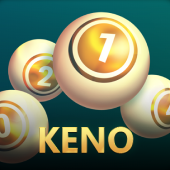
The image below is the real Keno game artwork used for this page. Use it as a visual anchor while checking the game screen: identify the number area, look for a visible selection state, locate the stake controls, and find where the completed draw is reported. A screenshot can explain placement and labels, but it cannot establish a future result.
What to observe before pressing the round control
First, check that the title identifies Keno and that the number grid is readable on a phone. Next, scan for selected-number highlighting and confirm that the count or ticket summary matches your intention. Then inspect the stake and balance labels. The final useful observation is the result area: it should distinguish numbers drawn by the game from numbers selected by the player.
On a narrow screen, hold the phone in a comfortable position and use the visible controls without zooming or dragging the page sideways. Keep the fixed navigation clear of the lower controls by scrolling naturally. If a label is hidden, a button appears unresponsive, or a total is unclear, do not submit the round; resolve the display issue first.
The visual tour is also a reminder that Keno Demo play has a learning purpose. Look for the order of events and the feedback after a draw. Do not treat a bright animation, a near match, or a streak of results as evidence that the next number is more likely.
Choose Keno guidance for practice, access, and payments
The right Keno guidance depends on the situation. For a first visit, practice the controls with a Keno Demo and use a short checklist. For a returning player, review the session plan before opening the game. For any balance activity, verify the amount and the displayed instructions before using sz777b payments. These steps answer the practical question of how to participate without rushing.
Learning the interface
Use a Keno Demo to locate the grid, clear a selection, adjust a stake, read a draw, and exit the round. Treat practice as interface training, not as a record of expected returns.
Taking a short break
Choose a small number of rounds, set a timer, and leave when the timer ends. A break is useful after a win, a loss, or any moment when decisions feel hurried.
Checking account activity
Before a payment or withdrawal, review the amount, method, account status, and terms shown by the platform. Never share a password or verification code with another person.
When your goal is comparison, observe the differences between Keno and Sweet Bonanza 1000 without carrying assumptions from one title to the other. When your goal is practice, repeat the same small checklist until the controls feel familiar. When your goal is entertainment, keep the cost within money set aside for that purpose and stop if the activity no longer feels comfortable.
sz777b demo guidance is especially useful on a phone: close unrelated tabs, check the connection, allow the page to finish loading, and confirm the game label before selecting numbers. If the connection drops, wait for the round status to update before attempting another action, so that an uncertain result is not accidentally repeated.
For sz777b payments, use only the payment route and account details displayed in the official signed-in flow. Check any minimums, processing notes, and verification requirements that are shown at the time. A payment confirmation is separate from a game outcome, so never make a new game decision simply because a transaction has completed.
Keno questions answered for new players
The short answers below keep the focus on Keno controls, practice, and responsible participation. Read the complete game information and account terms shown in the platform before making a decision.